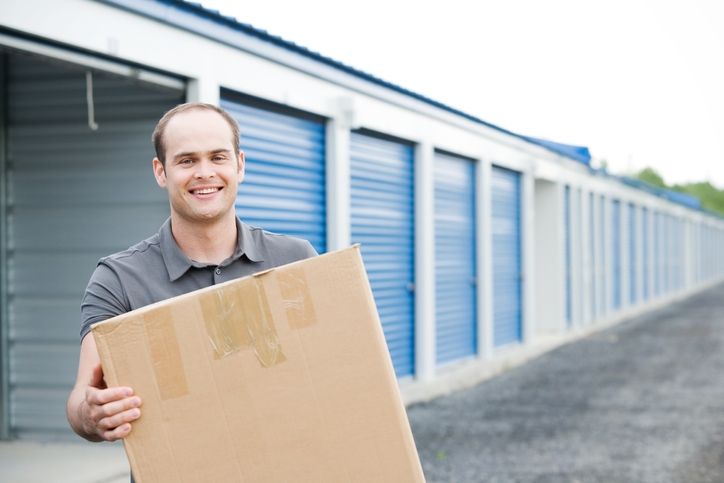
Cardboard boxes, sturdy, ubiquitous, are the mainstay of self-storage. Here are some ways to get the best out them.
Secure packing for fragile items
Delicate items such as glassware and china merit extra care when packed into cardboard boxes. Use packing peanuts, bubble wrap or packing paper, and tape boxes securely. Don’t overfill boxes with fragile items, and put heavier items in the bottom. Mark boxes with ‘fragile’ and an arrow if it’s important to keep them upright.
Even though packing materials are costly, buying them might save you money in the long run if they will protect your stuff effectively. This post has some tips for keeping the cost of packing materials down.
Choosing the right boxes for storage
Cardboard boxes can be surprisingly expensive to buy – but if you do purchase them, you’ll have the advantage of a good quality matching set of boxes that will stack easily. However, you can often get packing boxes for free from shops and supermarkets if you ask. Moving boxes often pop up on local giveaway sites, too, if you keep your eye out. Look for clean, dry sturdy boxes with no rips.
Very large boxes are best left to the recycling – you’ll end up overfilling them, and they are awkward to carry. Pack dense, heavy items like books into smaller, sturdier boxes – remember that a box should not be too heavy to carry.
Don’t be tempted to buy cheap tape for packing your storage boxes – you’ll regret it when you can’t find the end, and it keeps tearing. And do remember to label your boxes, too.
Safer box lifting tips to avoid injury
Injuries from lifting are very common – 27% of all non-fatal injuries reported to the Health and Safety Executive in 2023/24 were linked to manual handling.
So on moving day, get help with large or awkward boxes. Watch your posture, and bend at the knees, not at the waist. Don’t twist while lifting, and plan the path you will be using, giving yourself plenty of time to complete the lifting and carrying task.
It’s worth paying professionals if your move involves stairs, as they will have the equipment and the experience to get your stuff safely from your home to your storage unit (or vice versa).
Your storage company may provide equipment like trolleys and lifts to make it easier for you to get your stuff in and out of storage. Take full advantage of this, particularly if it’s included in your monthly storage cost.
The Health and Safety Executive has advice on good handling techniques, and so does Worksafe UK.
If the weather turns bad on the day of your move, wait until the rain stops if you can – wet cardboard boxes quickly lose their strength, and if you can’t dry them out, they will promote mould in your storage unit.
How to load up your car with boxes
When you load boxed goods for storage into a vehicle, put heavy items in first so that they do not crush lighter boxes.
Although packing your car tightly will mean you have to make fewer trips back and forth between home and storage, take care not to overload your vehicle – find out how to check this in our post.
Hiring a van could save you the hassle of multiple journeys, and there is less concern about overloading, too.
When packing your vehicle, think about how you want your stuff placed in the storage unit. Whatever comes out of the car or van last will end up nearest the door.
Insurance that protects your property in transit
A self-storage insurance policy from Store and Insure will cover your goods while they are in transit between your home and your self-storage unit, as long as they are in an enclosed vehicle. Get a quote for our competitive self-storage insurance.