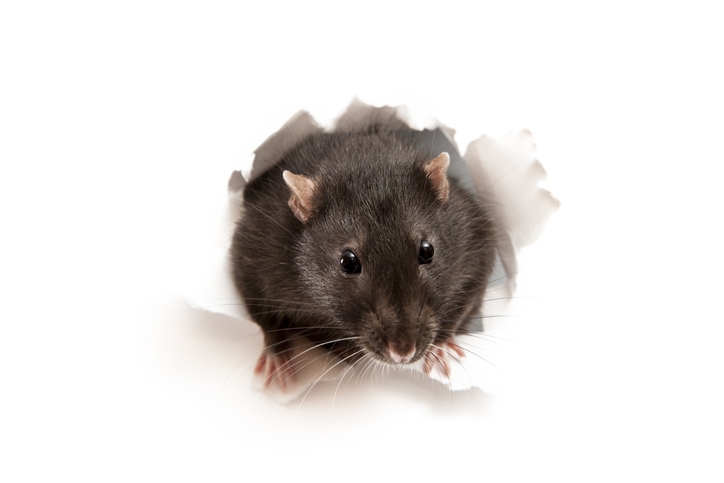

Pressure on natural habitats and resources have driven squirrels, birds, rats and mice into our homes. When they gain access to domestic storage spaces such as attics and eaves cupboards, they can cause all sorts of damage to your stuff. Here’s how to avoid the horror of gnawed boxes and shredded, ruined possessions.
Keep an eye on your storage spaces
Checking your attic space regularly is key to keeping your stored possessions in good condition.
Access difficulties will make it harder for you to use your attic effectively. Getting a modern hatch and pull-down ladder installed will allow you to have a quick look whenever you like.
A clear attic will be easier to inspect, so try not to overfill this space. If necessary, declutter, or move some of your stuff into external storage.
Signs that you might have pests in your attic
Listen for rustling noises at night, and look for gnawing marks, droppings and damage to boxes and storage containers. Another clue to the presence of pests is musty smells, and you might also see staining – these can also indicate a leak, which you should investigate to avoid loss or damage to your stuff.
Getting rodents and birds out of your attic
Act promptly if you see signs of pests in your attic – don’t let the problem get worse.
You can set mouse traps if you think you have mice – but check them regularly to avoid causing unnecessary suffering, and to avoid the smell of decaying mouse.
Get professional advice if you have birds or larger rodents in your attic. A pest control professional can remove them safely and humanely and recommend steps that will stop them coming back.
Note that bats and their roosts are protected by law. Do not handle them – this is a job for a licensed professional. Do not block or seal the roost as this can trap bats inside your attic, making the problem worse. Many homeowners live happily alongside a bat roost, and getting professional advice from the Bat Conservation Trust is a good way forward.
Preventing pests from accessing your attic
Once you know your attic is clear of mice and squirrels, seal entry points using vent screens. You can discourage them by removing food and nesting material – this means no cardboard or fabric, and the attic is not a good place to store food. Plastic lidded boxes and bins are best for attic storage as they are gnaw-proof and easy to seal.
Wool carpets are a target for moths, so avoid storing off-cuts or wool rugs in your roof space, unless you can inspect them frequently. Moth traps will give you an early warning before an infestation takes hold in your attic.
Is the attic the best place to store your stuff?
Roof space storage is free to use, certainly, but there are some downsides to keeping your things up there. As well as the potential for a pest invasion, the temperature of an attic goes up and down throughout the day. Changes in temperature affect the humidity of this storage space, and dramatic changes in temperature and humidity are not good for some types of stored domestic goods.
Anything made from wood can warp if exposed to changeable conditions, and electrical items may also be affected. Books and papers can get damp, as can clothing.
A storage unit may be a better option for things you want to keep but that you don’t use all the time. As mentioned above, attics can be hard to access. If you are dreading climbing up to get your beach umbrella and garden cushions down from the attic, then perhaps a storage unit would suit you better.
Storage companies take steps to prevent pest infestations, and particularly if you opt for an internal unit, or even a climate-controlled storage room, you can avoid exposing your stuff to dramatic changes in temperature and humidity. Learn more about the advantages of climate-controlled storage from our post.
Most storage companies will insist that you insure your stored goods. We offer a competitively priced self-storage insurance policy – get a quick quote to see how much it costs each month.
Self-storage – all the space of an attic and none of the disadvantages.