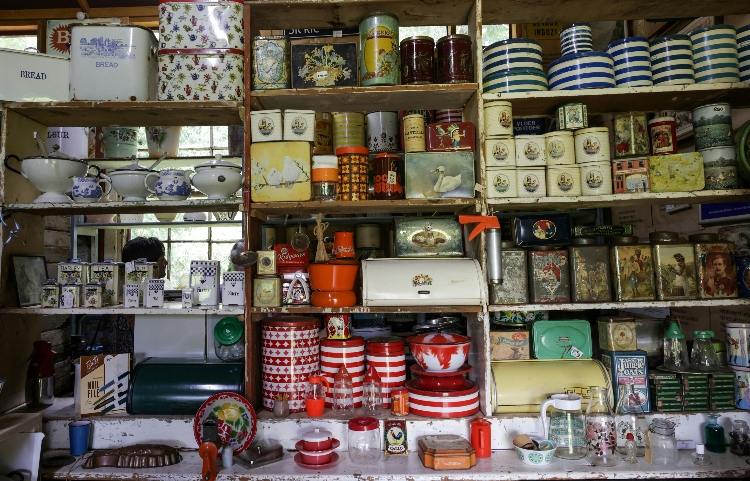

A collection that has outgrown its space is a headache. Part of the joy of collecting, whether it’s stamps, fossils, books or militaria, is seeking out new pieces to enjoy. But if you’ve got no room to display or store your specimens safely, then it’s easy to resent what once brought you pleasure.
Remember why you started your collection
Selling all or part of a collection can seem like the nuclear option, particularly if you do still enjoy seeking new items – so before you take the lot to a dealer, spend some time evaluating your collecting activities.
Most collectors have a clear memory of what got them into their passion. What sparked you off? It might have been nostalgia, the community, an opportunity to invest or just the sheer pleasure of finding a fossil, shell or a sought-after movie prop.
Then ask what has changed, and decide whether it’s something that you could fix – for example, if you enjoyed the community, could you attend more in-person events? Or could you contribute to efforts to bring new people to the hobby by selling some of your ‘beginner’ items at a reduced price.
Catalogue your collection
You may already have meticulous records of your collection – but if not, cataloguing and valuing what you have will make it easier to start the process of selling and downsizing. A spreadsheet or database with photographs can be a useful tool for collectors, and you can update it easily as your collection changes. Include details like condition, rarity and provenance.
Valuing your collectibles
Speak to a dealer if your collection is particularly valuable or large. They can appraise your collection and help you to assess accurately what price you should expect when selling.
The hobby community may have an online presence, or a publication that you can buy to get an idea of current values.
Tracking auctions or visiting sales is another way to get a sense of prices and market demand for the specimens in your collection. Pay attention to what things sell for, rather than looking just at the asking prices – there are some real chancers out there! Add the price data you find to your own catalogue, so you can have a record.
Condition matters for some collections. Records and music collectors often use Record Collector magazine’s grading system, for example.
Where to sell collectibles
Some types of collectible are best sold on specialist auction sites, while others are often seen on eBay. Research what keywords collectors use and include them in your listings, and your collection catalogue will be invaluable when writing descriptions for selling sites. And we have a post on taking great pictures for auction sites.
Also check whether buyers are going for job lots, or whether they prefer individual pieces. You might get less money for selling a collection in one go – but you’ll have to put more effort into selling pieces individually, so factor that into your decision.
Keeping your collection outside your home
It’s also worth asking yourself if extra storage space could help you enjoy your collection again.
One option is to put part of a collection into storage, rotating pieces in and out of your home. If the old saying ‘absence makes the heart grow fonder’ is true for you, then self-storage could help you to keep your collection interesting. Changing a display of memorabilia in your home is a wonderful way to keep your living space fresh and inviting.
Some storage centres are climate-controlled, so your collectibles will be kept safe from fluctuations of temperature and humidity. Record collections, books and postage stamps, as well as antiques and artefacts are particularly vulnerable to conditions found in attics and unheated outbuildings. Storage centres are also less vulnerable to flooding and fires than home storage.
Collections kept in self-storage will be covered by self-storage insurance, and this is usually mandatory at good storage centres. Get a quote from Store and Insure to check you are not overpaying for storage insurance.
Finding new value in an old collection
Whatever you decide to do with your collection, remember pieces that you now think of as common and uninteresting were once valuable and exciting to you, and it is likely there is someone out there who will find enjoyment in them.